

Choosing residential treatment for adolescents is a significant decision rooted in the hope for lasting transformation. At Summit Achievement, we specialize in a model that uniquely blends intensive clinical intervention, accredited academics, and adventure therapy. However, the engine that powers this transformation is the internal process of change.
For parents, understanding the Stages of Change (the Transtheoretical Model) is one of the most effective ways to support an adolescent’s mental health and manage the emotional twists and turns of the therapeutic process.
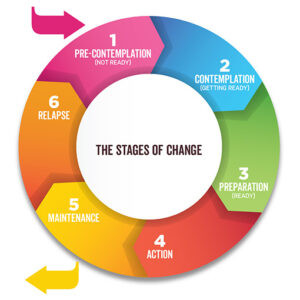
The Transtheoretical model explains how people move through different steps when they try to modify a behavior, such as starting to exercise more or quitting smoking. Developed by researchers James Prochaska and Carlo DiClemente, the six key stages follow the process of not being ready to change, thinking about change, getting ready to make the change, taking action, sticking with it, and dealing with setbacks. Understanding these stages and where you or your loved one are in the process can help you find strategies to support lasting change and understand there are setbacks.
The Evolution of Change: A Roadmap for Parents
Change is a progression. At Summit Achievement, in our academic setting and through adventure-based therapy, students move through these psychological phases at their own pace:
- Pre-contemplation: The student may be defensive or deny that their behaviors are problematic. They often feel they are at Summit only because of external pressure.
- Contemplation: There is a dawning awareness. The student begins to weigh the pros and cons of their current lifestyle versus a healthier path, though they may still feel “stuck.”
- Preparation: The student starts planning for change. They may begin to engage more deeply in therapy, academics or take more initiative in their own process.
- Action: This is the most visible stage. The student is actively practicing coping skills, communicating more openly, and participating fully in all aspects of the program and moving through the Summit stages in our Venture phase or the two stages in our Traverse phase.
- Maintenance: The focus shifts to sustainability. The student works to integrate these new behaviors into their identity, preparing for a successful transition to home or other school setting.
- Relapse or Termination: Sometimes in this stage there is return to old behaviors, or perhaps, a confidence that those behaviors will not return.
It is important to note here that the Stages of Change are considered a cycle rather than linear because behavior change does not move in a straight, uninterrupted line from start to finish. They cycle can repeat many times before achieving permanent change. For more on this check out our recent blog post blog the “Straight Line Myth: Why the Path Through Adolescent Residential Treatment is Not Linear”
Why the Stages of Change Matter for Families
Understanding these stages helps parents shift their perspective from “fixing” a behavior to “supporting” a process. It provides a common language between the clinical team and the family.
- Empathy over Frustration: Knowing your child is in the “Contemplation” stage helps you understand why they might seem “hot and cold” about their progress.
- Appropriate Goal Setting: It allows the family to set realistic milestones. We don’t expect a student in “Pre-contemplation” to lead a peer group; we celebrate when they simply begin to listen.
- Resilience Against Setbacks: If a student slips back a stage, it isn’t a failure—it’s a natural part of the process that provides vital data for their therapist.
The Summit Framework: The Venture Stages
To help students visualize and internalize this psychological growth, Summit Achievement utilizes its own custom stage system that provides a clear roadmap for a student’s journey.
Nichol Ernst, LCSW, LADC, co-owner, Clinical Director, and CEO of Summit Achievement, highlights the intentionality behind this structure:
“Our Venture stages are loosely based on the Stages of Change. We designed the program stages to mirror the internal shifts a student undergoes, moving from initial resistance toward self-governance and leadership. It allows our students to have a tangible roadmap for their internal emotional work.”
A Holistic Approach to Adolescent Healing
By integrating these stages into our accredited academics and therapeutic adventure activities, we ensure that change isn’t just talked about on a couch in an office—it is practiced in the classroom and tested in the field. When you understand the stages of change, you become an active, informed participant in your adolescent’s residential treatment, helping them build a foundation for a healthier future.
Ready to Start the Journey?
If your child is stuck in the cycle of pre-contemplation, Summit Achievement provides the spark needed to move into the next phase. Our blend of adventure therapy and academic rigor creates an environment where change isn’t just possible—it’s sustainable.
If your teenager is struggling with their mental health or difficulty within the family system, and you are considering treatment options, Summit Achievement could be right for your family. Reach out to Admissions today.