


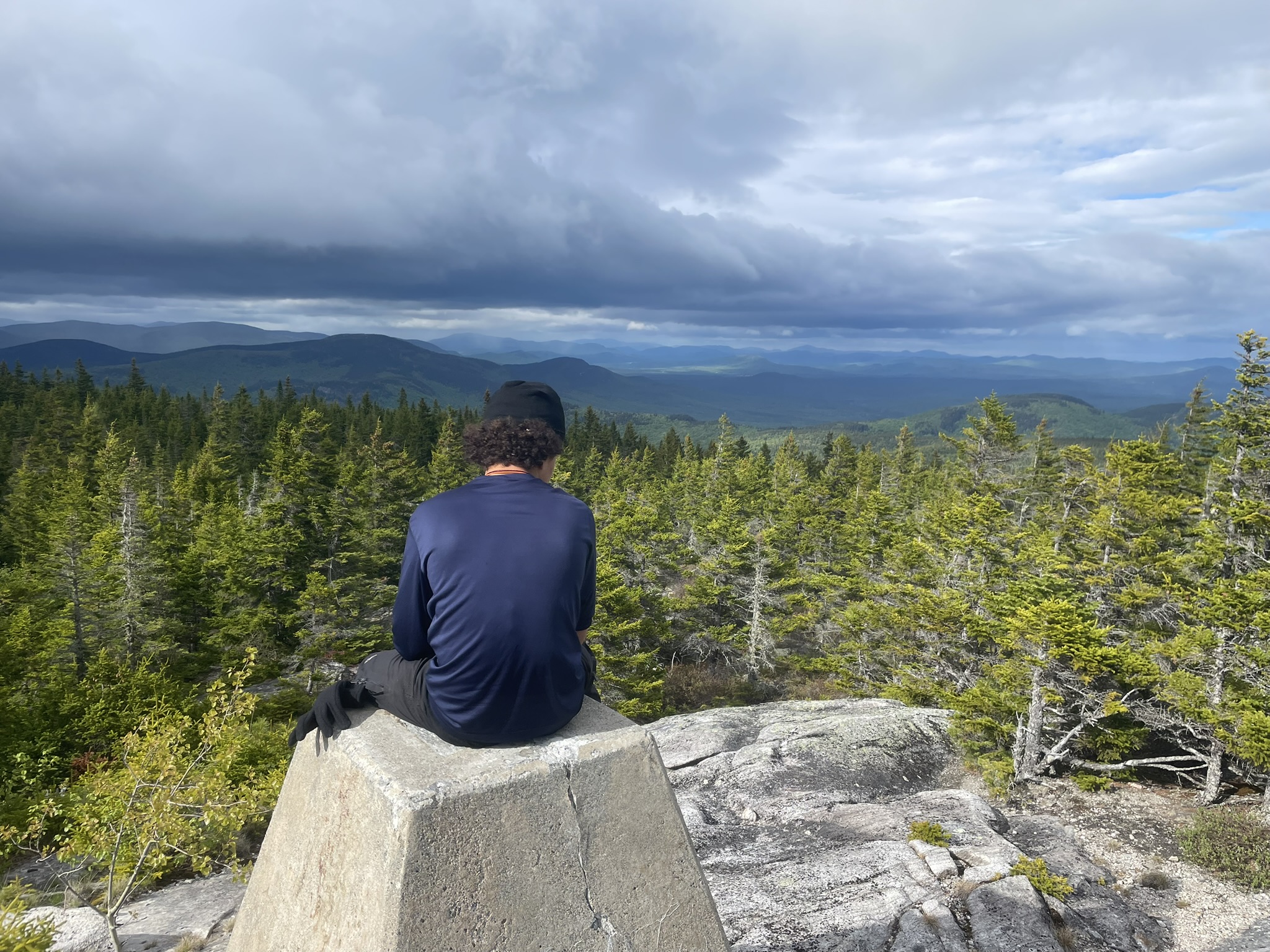
At its core, Summit Achievement has never been just adventure therapy; it’s a sophisticated evolution of the Expeditionary Model, pioneered by programs such as Outward Bound. While many people associate “adventure therapy” with mere survival skills, the true magic lies in the transition from physical challenge to psychological breakthrough.
By blending the rugged, experiential learning of Kurt Hahn (the founder of Outward Bound) with a specialized clinical environment, Summit creates a space where teenagers don’t just “get through” a hike—they learn how to get through life. For more about similarities and differences between Outward Bound and Summit Achievement, check out this blog from 2022: “Summit Achievement or Outward Bound?”
The Outward Bound DNA
The Outward Bound philosophy is built on the idea that “there is more in us than we know.” It utilizes the natural world as a classroom to build:
- Self-Reliance: Realizing you are capable of more than you imagined.
- Fitness: Both physical stamina and mental fortitude.
- Craftsmanship: Taking pride in the quality “work” of living (setting up camp, navigating).
- Compassion: Understanding how your actions affect the “expedition” or the group.
Intentional Transitions
Intentional transitions are an important component of Summit Achievement. It is a rhythmic approach to challenge and growth. It is a process of stretching one’s comfort zones by intentionally seeking out adversity, and that might be in the backcountry adventure component or in the classroom. Students then return to a relative state of comfort on campus, which facilitates a process of growth and change. Summit students alternate between the backcountry and a structured campus environment.
1. Backcountry, Adventure Component
This refers to the immersion into nature and the pursuit of challenge. In our Venture phase, students are out in the elements for four days a week, facing the natural consequences and rewards of the trail.
- The Goal: Challenge and new perspective in a novel environment.
- The Experience: If you don’t pack your bag correctly, it’s unbalanced. If you don’t work with your team, the tent doesn’t go up. These are “natural” consequences—they aren’t personal or punitive; they are simply the reality of nature. Anson McNulty, Summit Achievement’s Executive Director and Co-Owner says, “…nature doesn’t change to meet the needs of the people within it.”
2. Campus Life
This is where Summit Achievement diverges from old-school “survivalist” programs. After the backcountry, students return to our campus, complete with accredited academics and other aspects of campus life.
- The Goal: Reflection and Integration.
- The Experience: They shower, eat chef prepared meals, sleep in a bed, and meet with therapists to process and debrief what happened on the trail.
Why it works: Total immersion in the backcountry can sometimes lead to “survival mode,” where the brain is too stressed to actually learn. The return to campus allows the nervous system to settle, moving the lessons from the amygdala (fear/survival) to the prefrontal cortex (logic/growth).
Why the Balance Matters
Without the backcountry element, there is no growth—comfort is the enemy of progress. Without the return to campus, there is no perspective.
By moving back and forth between these two states, students at Summit Achievement build a “muscle memory” for resilience. They learn that they can handle the storm, and they learn how to appreciate the calm. It’s a cycle that prepares them for the ultimate expedition: returning home.
If your teenager is struggling with their mental health or difficulty within the family system, and you are considering treatment options, Summit Achievement could be right for your family. Reach out to Admissions today.