


Depression Therapy for Teens: Building Hope, Skills, and Resilience
Depression can affect far more than a teenager’s mood. It can interfere with school, friendships, family relationships, motivation, sleep, self-confidence, and the ability to imagine a positive future. When symptoms begin affecting multiple areas of a young person’s life, finding the right level of support matters.
Depression therapy can help adolescents understand what they’re experiencing. It can help to develop practical coping skills, and begin rebuilding confidence. Is your teen struggling with depression and outpatient support hasn’t been enough? Contact Summit Achievement today. You’ll learn whether our short-term residential program could be an appropriate next step.


What is Depression Therapy?
Depression therapy refers to psychological treatment to help someone address depressive symptoms and the underlying factors. For adolescents, therapy often focuses on emotional awareness. It can help with coping skills, relationships, behavior patterns, and the challenges that may be making symptoms harder to manage.
Depression doesn’t look the same in every teenager. One adolescent may appear persistently sad or withdrawn. Another may become irritable, disengaged, angry, or unusually frustrated. Some teens lose interest in activities they once enjoyed. Others struggle with motivation, concentration, sleep, or feelings of worthlessness.
Depression therapy considers the whole person rather than focusing exclusively on symptoms. A therapist may help a teen identify unhelpful thought patterns, understand emotional triggers, and practice healthier responses. They can gradually reconnect with meaningful activities and relationships.
Signs a Teen May Need Depression Therapy
Everyone experiences periods of sadness, disappointment, or frustration. Depression becomes more concerning when changes persist or begin interfering with everyday functioning. Parents may notice:
- Persistent sadness, irritability, or emotional withdrawal
- Loss of interest in previously enjoyable activities
- Changes in sleep or appetite
- Difficulty concentrating or completing schoolwork
- Declining academic performance
- Low motivation or energy
- Feelings of worthlessness, guilt, or hopelessness
- Increased isolation from friends or family
- Frequent anger or emotional outbursts
- Difficulty maintaining normal routines
- Increased substance use or other concerning behaviors
These signs don’t automatically mean a teenager has a depressive disorder. A mental health professional can evaluate the symptoms, their duration, severity, and impact on the adolescent’s life.
Any discussion of depression should also include safety. If a teen expresses thoughts about suicide, self-harm, or not wanting to live, parents should seek immediate professional help rather than waiting for routine therapy.
How Depression Therapy Can Help Adolescents
Depression therapy isn’t about telling a teenager to simply think positively. Depression can affect the way young people interpret themselves, their relationships, and their future. Therapy provides a structured environment where those patterns can be explored without judgment.
Developing Emotional Awareness
Teens may have difficulty identifying what they are feeling or explaining why they feel overwhelmed. Therapy can help them develop a better understanding of their emotions and recognize patterns that contribute to distress.
Greater emotional awareness can make it easier to recognize when symptoms are increasing. Coping strategies can help before problems become overwhelming.
Challenging Unhelpful Thought Patterns
Cognitive-behavioral therapy, or CBT, is one approach. It’s common in the treatment of depression. CBT can help adolescents examine connections between thoughts, emotions, and behaviors.
For example, a teenager who repeatedly thinks, “I can’t do anything right,” may begin avoiding schoolwork or activities. Avoidance can then reinforce the original belief. Therapy can help the teen examine that cycle and develop more balanced ways of responding.
Building Practical Coping Skills
Depression therapy can give adolescents tools for managing difficult emotions and situations. Depending on the person, this may include emotional regulation strategies, problem-solving, and communication skills. It may also include behavioral activation, mindfulness, or distress-tolerance techniques.
The goal isn’t to eliminate every difficult emotion. Instead, teens learn ways to respond to challenges without becoming overwhelmed by them.
Rebuilding Motivation and Engagement
Depression can create a cycle of withdrawal. When a teen stops participating in activities, spending time with others, or keeping up with responsibilities, they may experience even less connection and accomplishment.
Therapy can help adolescents gradually re-engage with meaningful activities. Small experiences of competence, connection, and progress can become important building blocks for recovery.
Depression Therapy and Co-Occurring Challenges
Depression rarely exists in isolation. Adolescents may experience depression alongside anxiety, ADHD, autism, learning differences, substance use, trauma-related symptoms, or difficulties at home and school.
This is one reason personalized assessment is important.
At Summit Achievement, many students arrive with depression or anxiety alongside learning challenges, ADHD, neurodivergence, or secondary substance use. The clinical team uses a range of approaches based on each student’s needs, including CBT, DBT, Motivational Interviewing, EMDR, Brainspotting, Art Therapy, and Family Systems Theory. Therapy is adapted to the adolescent and the challenges they’re working through.
What Depression Therapy Looks Like at Summit Achievement
Summit Achievement takes an integrated approach to adolescent treatment. You’ll find a licensed residential treatment center and accredited school. We serve adolescents navigating depression, anxiety, neurodivergence, and related challenges.
Clinical support is one part of that model.
Each student works with a master’s-level therapist. They serve as their primary clinician throughout treatment. Students meet with their therapist weekly and have more opportunities to interact with them outside formal sessions. Therapists also help students establish personalized therapeutic goals and practice skills across daily experiences.
This matters because depression doesn’t only appear during a therapy appointment. It can affect how a student approaches schoolwork, relationships, routines, challenges, and new experiences.
At Summit Achievement, students have opportunities to practice therapeutic skills. This happens in multiple environments rather than keeping therapy separated from daily life.
The Role of Family Therapy
Adolescent depression affects the entire family. Parents may feel confused, worried, frustrated, or unsure how much support to provide. At the same time, teenagers may feel misunderstood or pressured when family members are trying to help.
Family therapy can create space for everyone to better understand these experiences.
Rather than treating parents as observers, Summit Achievement involves families throughout the therapeutic process. Family work can address communication, expectations, relationships, and the transition home.
This is important because progress needs to continue after residential treatment ends. Families can work together on how to support new coping strategies while encouraging independence.
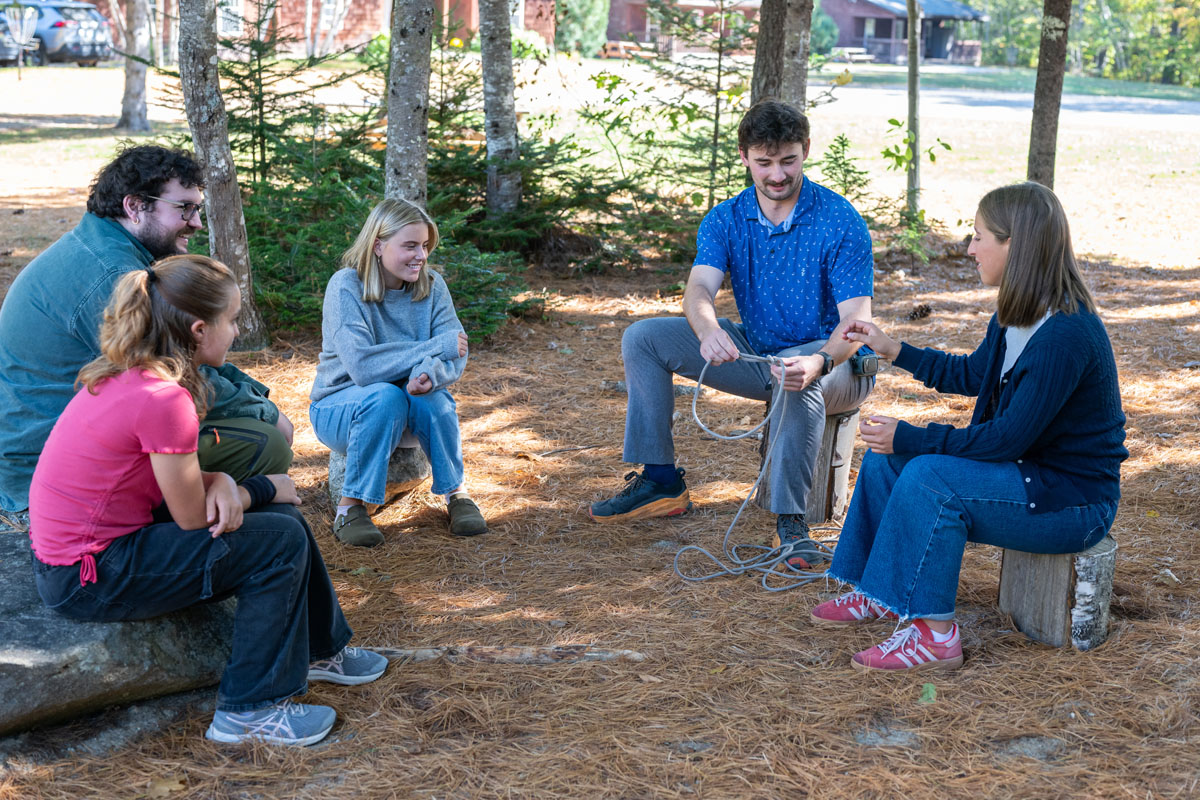
How Adventure Therapy Can Support Depression Treatment
Outdoor experiences aren’t a substitute for clinical depression treatment. At Summit Achievement, adventure therapy is one part of a broader therapeutic model. It combines clinical support, academics, and structured outdoor experiences.
Students participate in expeditions where they’re asked to navigate challenges. They work with peers, solve problems, and practice skills in real-world situations.
For an adolescent who has begun to doubt their abilities, completing a difficult task can provide a meaningful experience of competence. Working with peers can also create opportunities to practice communication, flexibility, and trust.
The therapeutic value comes from intentionally connecting these experiences to the student’s treatment goals. Adventure isn’t punishment, and it’s not expected to independently resolve depression.
Depression Therapy and Academic Support
Depression can make school feel increasingly difficult. Concentration may decline, assignments can accumulate, and falling behind can reinforce feelings of failure or hopelessness.
For some adolescents, addressing mental health while maintaining academic continuity is an important part of treatment.
Summit Achievement integrates accredited academics into our residential model. Students participate in personalized academic programming. This is while continuing their clinical work, allowing them to address both emotional and educational challenges.
This integrated approach can help students begin rebuilding academic confidence. This is while developing strategies for managing the emotional barriers that have made school difficult.
When Residential Depression Treatment May Be Appropriate
Outpatient depression therapy can be effective for many adolescents. However, some teens need more structure and support than traditional outpatient treatment can provide.
Residential treatment may be considered when depression is interfering with a young person’s functioning and outpatient care hasn’t provided enough progress or stability.
Our program is an option for families when outpatient care isn’t enough but a long-term placement may feel unnecessarily intensive. Its short-term residential model combines clinical care, academics, and adventure therapy while preparing students for their next level of care.
The appropriate level of care depends on each adolescent’s needs. A professional can help families determine whether residential treatment, intensive outpatient care, outpatient therapy, or another option makes the most sense.
Building Skills That Continue Beyond Treatment
Depression treatment should focus on more than feeling better while a teenager is in therapy. Adolescents also need opportunities to practice skills they can use after treatment.
Our program includes Venture, an entry phase, and Traverse, a transitional phase. Venture focuses on establishing foundational skills, therapeutic relationships, and confidence. Traverse provides increasing responsibility and opportunities to apply those skills in more complex situations while preparing for life beyond the program.
Our outcome data also provides a way to evaluate progress beyond the treatment period. With data collected over ten years, students reported reductions in mental health distress, including depressive symptoms, with improvements maintained at six months and one year after discharge.
These outcomes shouldn’t be interpreted as a guarantee for any student. Every adolescent’s experience with depression is different. However, measuring outcomes over time can help families better understand whether a treatment program is supporting meaningful and sustained change.
Finding the Right Depression Therapy for Your Teen
Choosing depression therapy for an adolescent requires looking beyond the diagnosis. Families should consider the teen’s symptoms, developmental needs, school situation, relationships, co-occurring challenges, safety needs, and previous treatment experiences.
The right treatment should also give teenagers opportunities to develop ownership of their progress. When adolescents feel understood and supported rather than judged or punished, they may be more willing to engage in the therapeutic process.
At Summit Achievement, the goal is to help students develop emotional insight, coping skills, confidence, resilience, and connection. This is while involving their families in the process. If your teen is struggling with depression and your family is looking for more support, contact Summit Achievement today. Our admissions team can help you learn whether the program may be an appropriate fit.
What Summit Families Say
Your Family Doesn’t Have to Keep Carrying This Alone.
There are options. There is support. And there are paths forward that can help your adolescent — and your family — heal and move toward a healthier future.
Take the first step by speaking with our admissions director today.