
Phase 2: Traverse
Practicing Skills, Preparing for Independence
Where Students Apply What They’ve Learned
Traverse is Summit’s transitional phase. It’s a flexible-length therapeutic boarding school that combines personalized clinical support, accredited academics, and a comprehensive residential life curriculum. Designed for students who are ready to step down from a higher level of care, Traverse offers the structure and support needed to practice new skills in a less restrictive setting while preparing for home, traditional boarding school, or another environment.
Over a period of two to six months, students move through two stages — Action and Maintenance — practicing autonomy, navigating setbacks, and building the confidence they need to sustain their growth beyond treatment.
The Two Stages of Traverse
Action
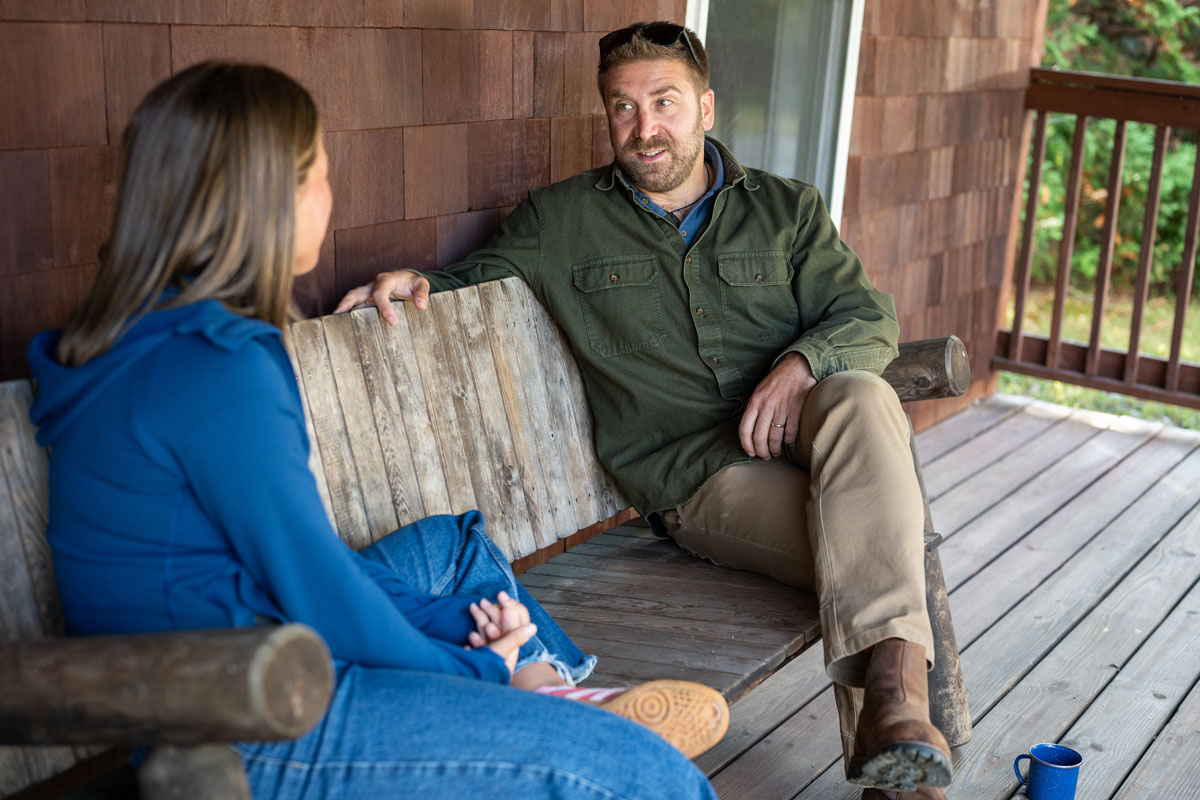
Students step down to a lower level of structure and put the positive growth from Venture (or their previous program) into practice. They’re expected to show up on time, complete homework, and be responsible community members, all with less direct oversight.
Students complete a weekly initiative log demonstrating they’re meeting basic expectations. Growth in this stage means consistently meeting expectations without prompting, handling increased freedom responsibly, and showing genuine internal motivation.
Maintenance
Students work on maintaining positive changes while preparing for their transition home or to their next setting. This stage is intentionally designed to mirror real life. Students earn additional technology and Internet privileges and are no longer required to complete initiative or growth logs. Instead, they’re trusted to maintain their progress through internal motivation.
Students complete at least one (often multiple) week-long home visit to practice skills and re-integrate with family. Growth means maintaining positive changes without external pressure, navigating setbacks with resilience and honesty, and demonstrating genuine readiness to carry their work forward into life beyond Summit.
How Traverse Works
Personalized Clinical Support
Each student works with a master’s level therapist who coordinates overall treatment planning and family-centered work. Students participate in weekly individual therapy, weekly intensive family therapy, and daily milieu therapy. The clinical team also supports individualized transition planning, relapse prevention, assessment of readiness for traditional environments, and therapeutically supported home visits.
Accredited Academics
Students attend school five days per week in small, individualized classrooms. The curriculum is self-paced and blended, allowing students to keep pace with their school progress, recover credit, and rediscover success in school while earning transferable credits. Regular study hall helps students implement new academic skills under supervision, and off-campus experiential field trips expand learning beyond the classroom.
Campus Life + Residential Curriculum
Students participate in after-school and weekend activities both on and off campus. The residential life curriculum focuses on life skills, executive functioning, and developing healthy leisure pursuits, including a balanced approach to technology use. Students practice independent living skills, social pragmatics, and engage in off-campus activities focused on culture, adventure, service, and education.
A Week in Traverse
The weekly schedule at Traverse is intentionally designed to mirror life in non-therapeutic settings. Students follow a routine that can easily be adapted to home, boarding school, or any traditional environment.
Weekdays:
6:00 a.m. | Wake up, 20 minutes of exercise, shower, breakfast, and morning chores
8:30 a.m.-12:00 p.m. | School with mid-morning snack break
12:00 p.m. | Lunch and mid-day chores
1:00-3:30 p.m. | School continues
3:30 p.m. | Snack and non-screen free time; staff-led activities and life skills lessons
4:30 – 5:30 p.m. | Screen time
6:00 p.m. | Dinner, followed by evening chores and free time
7:00-8:00 p.m. | Study hall
8:00 p.m. | Daily process group for peer feedback and addressing group dynamics
10:00 p.m. | Lights out
Weekends:
Two weekends per month focus on outdoor adventure activities (hiking, rock climbing, sea kayaking, rafting, snowshoeing, skiing, or ice climbing) in the beautiful areas surrounding campus. The other two weekends feature “front-country” activities in nearby communities like Portland, ME, or occasional trips to larger cities like Boston, MA. These may include movies, waterparks, restaurants, bowling, museums, and other recreational and cultural experiences that expose students to new interests and allow them to test themselves in more traditional environments.
Who Traverse Serves
Traverse is designed for students ages 13 to 19 who are transitioning from Venture, a therapeutic program, or other higher level of care and are willing to continue their journey through the therapeutic process. Students at Traverse are invested in their future and understand that this transitional step is an opportunity to practice new skills in a less structured environment and demonstrate their readiness for a more traditional setting.
Student Groups
Traverse students live in residential cabins with their group and are supported by rotating guide staff who provide supervision, mentorship, and connection. The key difference from Venture is in the expectations and level of oversight. Traverse students are given more trust and more opportunities to practice independence, preparing them for the transition back to life outside of treatment.