


Nature-Based Therapy: How Time Outdoors Can Support Adolescent Mental Health
For some adolescents, traditional talk therapy can feel difficult to engage with. They may feel overwhelmed by anxiety, depression, school challenges, or problems at home. Nature-based therapy offers another way to create opportunities for reflection, skill-building, connection, and personal growth.
With outdoor environments and meaningful activities, clinicians and other trained professionals can help. Young people can practice new skills in situations that feel different from a traditional office.
At Summit Achievement, we integrate outdoor experiences into a broader residential treatment model. This combines personalized clinical support, accredited academics, and adventure therapy. Is your teen struggling? Are you exploring whether a structured therapeutic program could help? Contact Summit Achievement today. You’ll learn more about how our approach supports adolescents and families.


What is Nature-Based Therapy?
Nature-based therapy is a broad term. It describes therapeutic or supportive interventions that incorporate natural environments into the process. This can help to improve emotional, behavioral, and psychological well-being.
Nature-based approaches may involve walking, hiking, gardening, observing nature, or completing outdoor activities. Students can participate in structured experiential exercises. The approach depends on the person’s needs, the professional providing the intervention, and the setting.
Nature itself isn’t necessarily the treatment. Instead, the natural environment can give a different context. People can slow down, engage their senses, interact with others, and practice coping or communication skills.
For adolescents, this can be meaningful. Outdoor activities create opportunities to learn through experience. A young person may discover that they can tolerate frustration, communicate with a group, or ask for help. They can work through an unfamiliar challenge rather than simply discussing those skills in theory.
How Does Nature-Based Therapy Work?
Nature-based therapy can be useful by changing the environment in which therapeutic learning takes place.
In a traditional therapy office, an adolescent might talk about difficulty managing anxiety or frustration. In an outdoor setting, there may be opportunities to recognize those same emotions as they arise and practice responding differently.
For example, a student navigating an unfamiliar trail may experience uncertainty or frustration. With appropriate support, that situation can become an opportunity to practice:
- Emotional regulation
- Communication
- Problem-solving
- Flexibility
- Perseverance
- Asking for support
- Managing uncomfortable emotions
- Working collaboratively
Therapeutic outdoor experiences are structured around the person. It factors in abilities, treatment goals, safety considerations, and readiness.
This distinction is important when considering nature-based therapy for teens. Outdoor activities should be thoughtfully integrated into treatment. That’s rather than treated as a substitute for clinical care.
Potential Benefits of Nature-Based Therapy for Teens
1. Opportunities to Practice Coping Skills
Therapeutic progress requires more than understanding a coping strategy. Adolescents also need opportunities to practice those skills.
An outdoor environment can create real-time situations where students can apply strategies discussed with their therapists. They may need to regulate frustration, adjust to changing plans, communicate with peers, or continue working toward a goal despite discomfort.
That creates a bridge between learning a skill and using it in everyday life.
2. Building Confidence Through Accomplishment
Mental health challenges can affect how adolescents view themselves. A young person who’s struggled academically, socially, or emotionally may begin to believe that they’re incapable of succeeding.
Completing a challenging or supported outdoor activity can provide a different experience.
The accomplishment doesn’t have to be dramatic. Navigating a route, helping prepare a meal, contributing to a group decision, or overcoming a difficult moment can reinforce the idea that challenges can be managed one step at a time.
At Summit Achievement, adventure experiences help students build confidence. They can help with resilience, teamwork, and problem-solving skills through shared challenges.
3. Developing Resilience
Resilience doesn’t mean never feeling stressed, anxious, disappointed, or overwhelmed. Instead, it involves developing the ability to respond to challenges and recover from setbacks.
Outdoor experiences naturally involve changing conditions. There are unexpected obstacles. For example, a plan may need to change because of weather, terrain, or group dynamics.
With supervision and therapeutic support, these experiences can give opportunities to learn. Adolescents can practice flexibility and persistence.
4. Strengthening Social Connection
Many adolescents receiving residential treatment have difficulties. This may be with friendships, family relationships, communication, or social confidence.
Outdoor activities can create shared goals. These can encourage students to work together. Setting up camp, navigating a route, preparing food, or completing a group challenge requires communication and cooperation.
These experiences can also give adolescents opportunities to see peers differently. They can develop relationships based on shared experiences. That’s rather than social pressures they may have encountered at school.
At Summit Achievement, students participate in small teams and work alongside guides. Connection and collaboration are important parts of the experience.
Nature-Based Therapy and Mental Health
Nature-based approaches may be incorporated into care for adolescents experiencing a variety of mental health challenges. This includes anxiety, depression, emotional regulation difficulties, and challenges related to confidence or social functioning.
However, it’s important to avoid oversimplifying the relationship between nature and mental health.
Going outside doesn’t automatically treat depression or anxiety. Likewise, hiking or camping shouldn’t be presented as a replacement for psychotherapy, medication, or other evidence-based treatment.
Instead, nature can provide an experiential setting in which therapeutic goals can be practiced.
At Summit Achievement, outdoor experiences operate alongside personalized clinical support. The clinical team uses evidence-based and trauma-informed approaches. This may include Cognitive Behavioral Therapy, Dialectical Behavior Therapy, Motivational Interviewing, EMDR, Brainspotting, Art Therapy, and Family Systems Theory.
This combination allows students to connect therapeutic insight with real-world experiences.
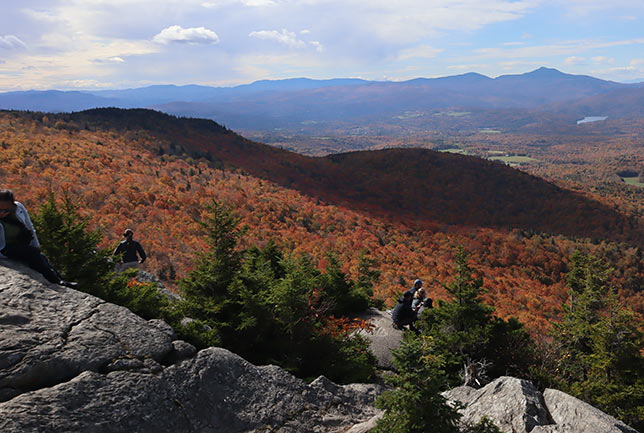
Nature-Based Therapy vs. Wilderness Therapy
Parents researching nature-based therapy for adolescents may encounter unfamiliar terms. This may include wilderness therapy, adventure therapy, outdoor behavioral healthcare, and experiential therapy.
These terms can overlap. However, they don’t necessarily describe identical treatment models.
Nature-based therapy is a broad concept involving therapeutic work in natural environments. Adventure therapy generally incorporates outdoor challenges and activities as part of a therapeutic process.
Wilderness therapy is another specific model that may involve extended time in wilderness environments.
Summit Achievement provides traditional wilderness therapy. Maine-licensed residential treatment programs incorporate adventure therapy into a broader model. This involves clinical care, academics, residential support, and family involvement.
That distinction matters for families because the setting is only one part of a treatment program. Parents should also consider the program’s clinical model, academic services, safety practices, family involvement, transition planning, and level of professional support.
What Does Nature-Based Therapy Look Like at Summit Achievement?
At Summit Achievement, outdoor experiences are part of a structured weekly rhythm rather than an isolated activity.
Students participating in our Venture Program spend time in the backcountry. There are multi-day expeditions and returning to campus for academics and other aspects of residential treatment. Outdoor activities may include hiking, backpacking, canoeing, navigation, cooking, and other expedition skills.
The purpose isn’t simply to spend time outside.
Students are encouraged to use these experiences to practice skills. This includes communication, leadership, problem-solving, perseverance, and emotional regulation. The outdoor setting provides opportunities to experience challenges and then reflect on how those experiences connect with broader therapeutic goals.
Our model intentionally moves students between the backcountry, classroom, residential community, and clinical environment. This gives them repeated opportunities to practice skills in different settings.
Why Integration Matters in Adolescent Treatment
Adolescents don’t experience mental health challenges in only one part of their lives.
Anxiety may affect school attendance. Depression may affect relationships. ADHD or learning differences may contribute to academic frustration. Family conflict can increase emotional stress.
For that reason, treatment may be more useful when it considers the whole student. That’s rather than focusing exclusively on symptoms.
Summit Achievement’s model brings together three primary components: personalized clinical support, accredited academics, and adventure therapy.
Clinical support helps students develop emotional awareness and coping strategies. Academics allow them to continue working toward educational goals while receiving therapeutic support. Adventure therapy provides opportunities to apply skills in active, real-world situations.
The components reinforce one another.
A student might discuss anxiety with a therapist, practice managing that anxiety during an outdoor challenge, and then carry those skills into the classroom or family setting.
That is one of the central ideas behind experiential treatment: insight becomes more meaningful when a person has opportunities to put it into practice.
Is Nature-Based Therapy Right for Every Teen?
Nature-based and adventure-based approaches aren’t appropriate for every adolescent or every clinical situation.
A family’s decision should consider the teen’s mental health needs, physical abilities, treatment history, willingness to participate, and the services offered by the program.
Parents should also ask how outdoor activities are connected to pesonalized treatment goals, how safety is managed, what clinical credentials staff hold, how family therapy is incorporated, and what happens after the program ends.
At Summit Achievement, outdoor experiences are planned around therapeutic goals, student abilities, seasonal conditions, and safety considerations. Our programs also focus on preparation, appropriate equipment, rest, and recovery rather than treating outdoor activities as a survival ordeal.
Helping Teens Turn Experience Into Lasting Growth
The most valuable part of nature-based therapy may not be the time spent outdoors itself. It’s what adolescents can learn about themselves through supported experiences.
A difficult hike can become an opportunity to practice persistence. A group challenge can become an opportunity to practice communication. An unexpected change can become an opportunity to practice flexibility.
Those lessons can then be connected back to therapy, academics, relationships, and life at home.
At Summit Achievement, this process is part of a larger continuum designed to help adolescents develop. They can build confidence, skills, and resilience they need beyond treatment. Our programs combine residential care, academics, clinical support, adventure therapy, and family work rather than relying on any single intervention.
For families considering nature-based therapy for teens, that integrated approach is an important distinction. Time in nature can create powerful opportunities for growth. However, therapeutic change comes from connecting those experiences to personalized clinical care and the student’s life beyond the program.
Is your adolescent struggling with mental health, school, relationships, or confidence and you are considering a structured therapeutic setting? Contact Summit Achievement today. You can learn whether our integrated residential model and adventure therapy approach may be appropriate for your family.
What Summit Families Say
Your Family Doesn’t Have to Keep Carrying This Alone.
There are options. There is support. And there are paths forward that can help your adolescent — and your family — heal and move toward a healthier future.
Take the first step by speaking with our admissions director today.