


Adventure Therapy
Growth Through Challenge and Connection
Through carefully designed outdoor experiences, students learn to navigate challenges with new tools and perspectives. Adventure therapy builds resilience, fosters connection, and helps students translate therapeutic insight into action.
Why Adventure Matters
Adventure therapy takes students out of their comfort zone and familiar environments by immersing them in the backcountry. Through activities that are demanding physically, mentally, and emotionally, students quickly learn that old ways of coping are ineffective when faced with the challenges and consequences of nature. In these moments, new patterns of perseverance, teamwork, trust, and resilience emerge.
What Students Experience
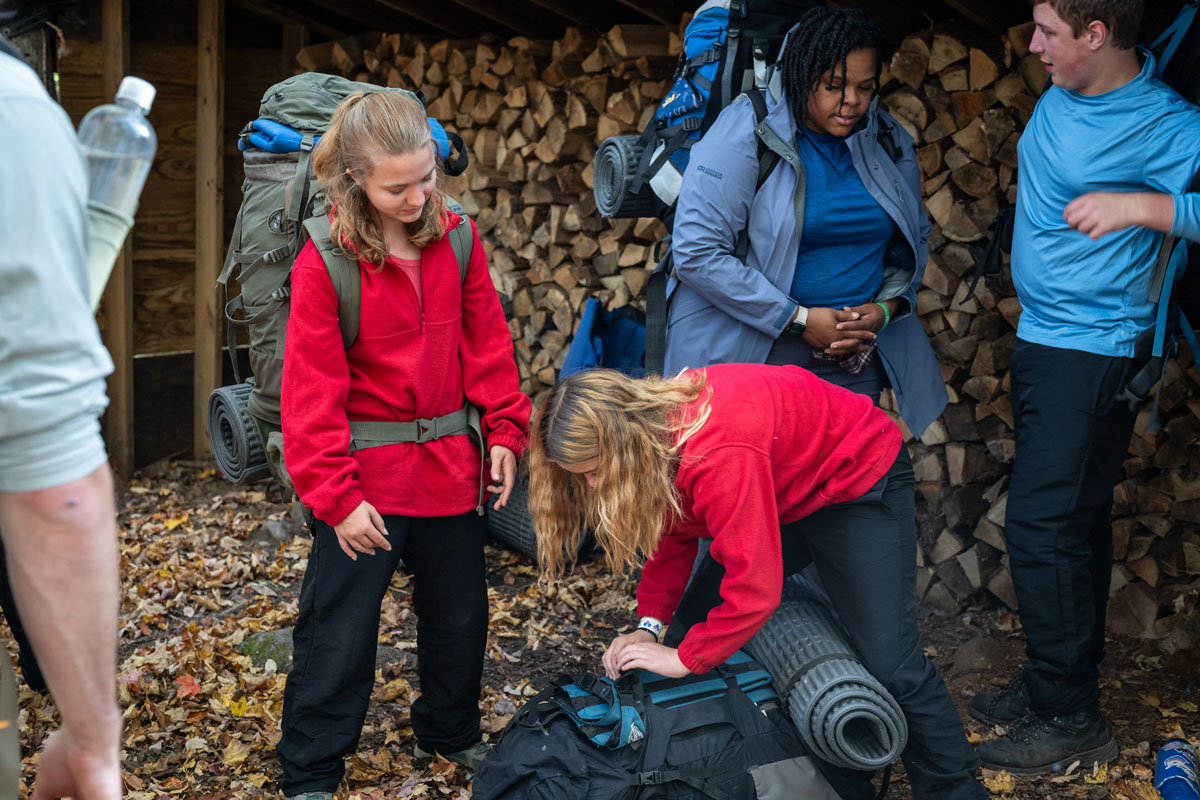
Every Thursday, students pack up and head into the backcountry for four-day expeditions. These experiences are carefully planned to match each group’s abilities, therapeutic goals, and season. Adventures emphasize skills and teamwork, such as map and compass navigation, safe layering, knot tying, backcountry cooking, leave-no-trace ethics, leadership, and safety.
Through shared challenges, students build relationships with staff and peers. Working together to overcome obstacles creates trust and provides the emotional safety needed for students to share their stories and feelings. This environment also makes students more open to hearing constructive feedback about their behavior, choices, and treatment of others.
The Result
Reaching a summit is both an accomplishment and a fresh perspective. Students gain a sense of achievement and connection with something bigger than themselves while experiencing the beauty and power of the natural world. They practice transitioning back and forth each week from the backcountry to the residential campus and classroom, building the flexibility and resilience they’ll need in life beyond Summit.
Adventures are fun, rewarding, and awe-inspiring. They’re also deeply therapeutic, creating the conditions for insight, growth, and lasting change.
Safety + Comfort
Adventure therapy at Summit is not a survival ordeal. Students are provided with the best clothing, gear, and equipment available to make the experience as comfortable as possible while maintaining a reasonable level of challenge. The food is top-notch for backcountry cooking — nutritious, filling, and far better than what you’d find on most outdoor programs.
Adventures are conducted Thursday through Sunday and take into consideration therapeutic goals, physical abilities of the students, and weather conditions. On very cold winter days, heated shelters and cabins in and around the White Mountain National Forest offer protection from the elements.
The Summit Difference
Modern Expedition Model
Weekly Rhythm
Venture students spend three nights in the backcountry and four days on campus attending school in a classroom. This rhythm allows students to practice transitioning between challenge and routine, building the adaptability they’ll need in any setting.
Student Involvement
Students help pack and prepare for expeditions and know what the goals are and how far they’re traveling. This isn’t something done to them; it’s something they participate in creating.
Rest + Recovery
Between expeditions, students are able to take showers, do laundry, and regroup on campus. This balance of challenge and comfort is intentional; students push themselves in the backcountry and recover on campus, building resilience without burnout.