
Personalized Clinical Support
Building Connection, Creating Change
Clinical care at Summit is built on trust, consistency, and proven approaches. We help students develop emotional insight and practical skills while honoring their individual strengths and experiences.
Our Clinical Approach
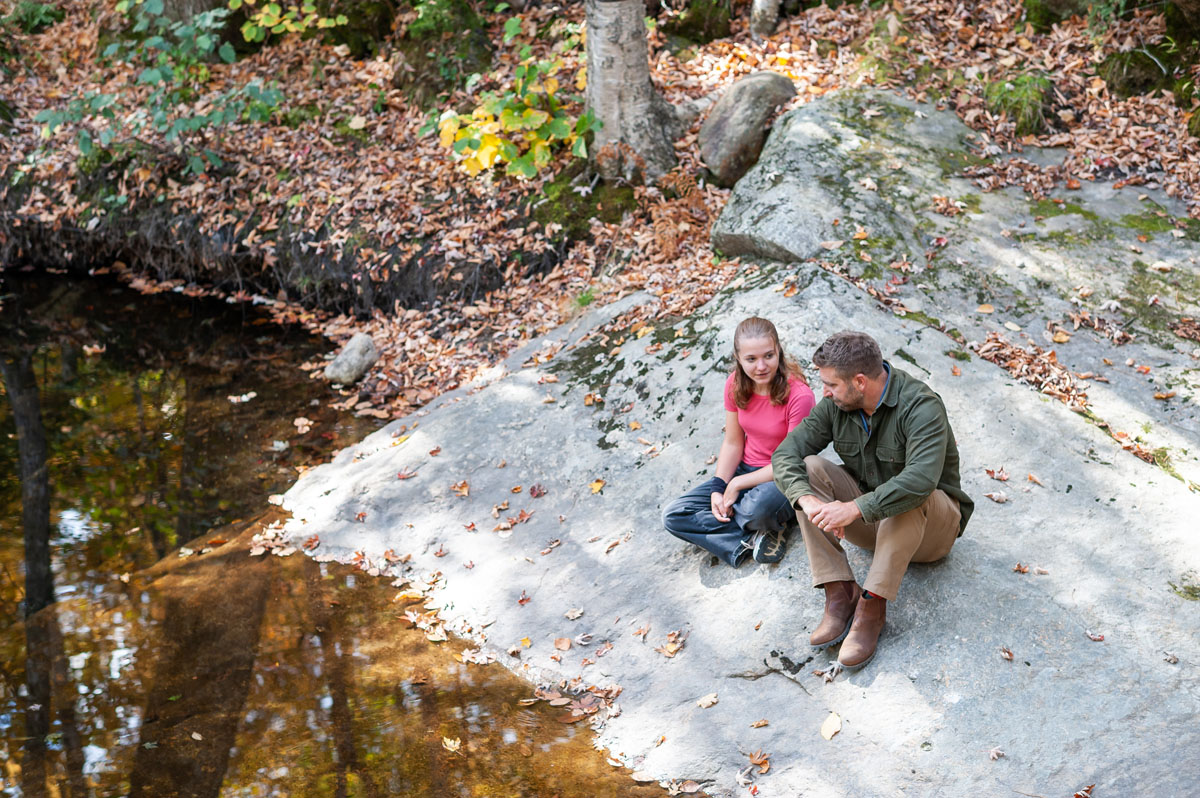
Most students arrive at Summit struggling with anxiety and depression alongside learning challenges, ADHD, or secondary substance use. Many have come to doubt their abilities, competency, and overall self-worth, leading to behaviors that impact their ability to function and engage with the world. At Summit, we focus on building rapport and a sense of connection to our community. This connection is the platform from which the therapeutic journey begins as students encounter and navigate safe challenges through expeditions, classroom work, and community living.
We use an intentional blend of evidence-based and trauma-informed approaches, including Motivational Interviewing, Cognitive-Behavioral Therapy (CBT), Dialectical Behavioral Therapy (DBT), EMDR, Brainspotting, Art Therapy, and Family Systems Theory, to offer a strengths-based model that builds new coping strategies, honors all emotions, and helps students find new ways to navigate old challenges.
Assessment + Treatment Planning
These observations are compiled within a structure supported by medication management, a healthy diet, and consistent sleep. For some students, we may recommend pursuing a comprehensive neuropsychological evaluation, which can happen while enrolled at Summit. Each component of this assessment process helps us develop an individualized treatment plan and weekly therapeutic assignments tailored to the student’s needs.
Midway through the program, the therapist makes recommendations regarding the level of clinical support the student will need following discharge. These recommendations typically include the type of program or school, degree of structure, and other services the student may require. Parents are encouraged to work with an Educational Consultant who can help identify specific schools, programs, or supports to meet their student’s needs.
Individual Therapy
Drawing on experiences from the classroom, campus, and camping trips, the therapist supports students in developing emotional awareness, healthy coping strategies, communication skills, social skills, and executive functioning tools. These skills create the foundation for students to address the challenges that brought them to treatment.
Teams of no more than eight students practice new skills daily with the support of their peers and guide staff. Students thrive within a structure that encourages giving and receiving feedback and pursuing a healthy, balanced, and authentic self.
Group Therapy + Processing
Group process sessions are facilitated by program guides or senior students every day of the week. These sessions are used to resolve conflict, provide and receive feedback, share therapeutic assignments, and evaluate progress.
When a student faces a challenge, it’s addressed in the immediate context of the group. All group members are affected and have a stake in the resolution. This is a time for students to practice assertive communication, speak honestly and respectfully, listen to feedback, and recognize and share emotions. Whether offering or receiving feedback, this process helps students better understand their interpersonal relationships and the impact their behavior has on others.
In addition to daily group processing, there is one group therapy session per week facilitated by the primary therapist. This session focuses on a variety of topics. It may center on group dynamics or specific issues several members are navigating, such as anger management, conflict resolution, grief and loss, or other relevant themes.
Family Therapy
Family therapy is a critical part of each student’s treatment and includes up to three in-person, face-to-face sessions with parents or guardians:
- Week One:
Parents speak with the therapist about their concerns and hopes for their child. Whenever possible, this meeting takes place in person on enrollment day. Alternatively, it may occur via phone or video conference. - Ongoing Weekly Sessions:
Beginning in week two, families participate in weekly family therapy sessions via phone or video conference. Sessions start with the therapist and parents only, providing an update on the student’s progress and reviewing parent-coaching skills. When the student joins, the therapist guides discussion of treatment goals, therapeutic homework, interpersonal challenges, or family conflicts. These sessions are vital opportunities for re-establishing or improving healthy communication and strengthening the parent-child relationship. - Midway Visit:
Approximately halfway through Venture, students are eligible for an off-campus overnight visit, which is an important opportunity to practice new skills and demonstrate growth. Upon returning, the primary therapist facilitates an in-person family session to process progress in the program and within the family system.
- Graduation Session:
On the day the student graduates, families meet for a final in-person family session. This session celebrates growth and solidifies transition plans and future expectations.
The Summit Parenting Program
While students are the primary clients, we believe a strong family component is integral to the treatment process and plays a significant role in success after leaving Summit. Our Summit Achievement Parallel Process Curriculum was designed by renowned author and parent coach Krissy Pozatek, MSW. Our leadership and clinical teams have been trained by Krissy Pozatek to implement the curriculum and integrate parallel process concepts into our program.
Just as students move through six stages in Venture, parents and guardians move through their own six stages to grow alongside their child.
Parents and guardians are offered six sessions of parent coaching with our Director of Parent Support. Sessions are designed to reflect on parenting patterns and develop skills to help parents plan for visits and their child’s return home after treatment.
Clinical Supervision on Expedition
Approximately every three weeks, the primary therapist accompanies students on expedition for a 24-hour period. Participating as part of the group allows the therapist to interact with students in a less formal setting, further developing the connection between each student and therapist. This experience also gives the therapist an opportunity to observe each student’s functioning within the peer group, including problem-solving, social skills, communication patterns, and their role within the group. These observations are helpful in providing feedback during individual and group therapy sessions.
Substance Use Support
Some students have been involved in drug and alcohol use to the point that it became a problem, impacting school performance, relationships with family, and sometimes resulting in contact with legal authorities. For Summit students, substance use is almost always a secondary issue to anxiety and depression.
Summit offers drug and alcohol education, recovery support, and opportunities to attend 12-step meetings online. Counseling focuses on providing students with a working knowledge of the symptoms, causes, effects, and healing of chemical dependency. Students explore the definition of addiction, triggers for use, steps to recovery, and relapse prevention planning.
Identity-Affirming Support
Summit provides compassionate, clinically informed support for students exploring questions of identity, including gender identity and sexual orientation. Our therapists work with LGBTQ+ students — including those who are transgender, gender non-conforming, or gender fluid — to navigate the complexities of identity development with confidence and self-acceptance.
We also recognize that identity exploration impacts the entire family system. Through individual and family therapy, we help parents and guardians understand, support, and affirm their child’s authentic self. Our approach emphasizes open communication, mutual respect, and building a foundation of trust that strengthens family relationships during and after treatment.
Medication Management
Summit’s Medical Director provides evaluation and management of psychotropic medication. In most cases, students taking medication at the time of enrollment are maintained at previously prescribed dosages. Medical and program staff are trained to administer medication and recognize adverse or allergic reactions. Program policies do not allow students to self-administer any medication.
Summit’s Medical Director, supported by a nurse who is on site Mondays and Tuesdays, reviews each student’s medication every 30 days. Should there be any recommendations or concerns regarding a student’s medication or dosage, the medical staff will contact parents immediately. Our Medical Director can consult with the initial prescriber if necessary.
Neuropsychological Testing
All students admitted to Summit are evaluated for depression, anxiety, and substance use. At times, a more extensive evaluation may be recommended by the therapist or requested by parents or an educational consultant working with the family. In these instances, Summit can arrange for a full neuropsychological assessment, which includes a spectrum of psychological, personality, and academic testing administered by a licensed professional.
While Summit does not provide this service in-house, we work with experienced psychologists from around the country who can come to campus to conduct testing, and we can assist in making arrangements. Please speak with the Admissions Department or your child’s therapist at Summit for more information about this service.
Have Questions?
If you have any questions about our clinical approach or treatment process, please contact our Admissions Director at (207) 447-9450.