

Growing Alongside Your Child
Student. Family. Future.
At Summit, healing is not a solo ascent. The Convergence Path reflects the essential alignment between students, their families, and the future they are working toward. When brought together, these three forces create lasting transformation.
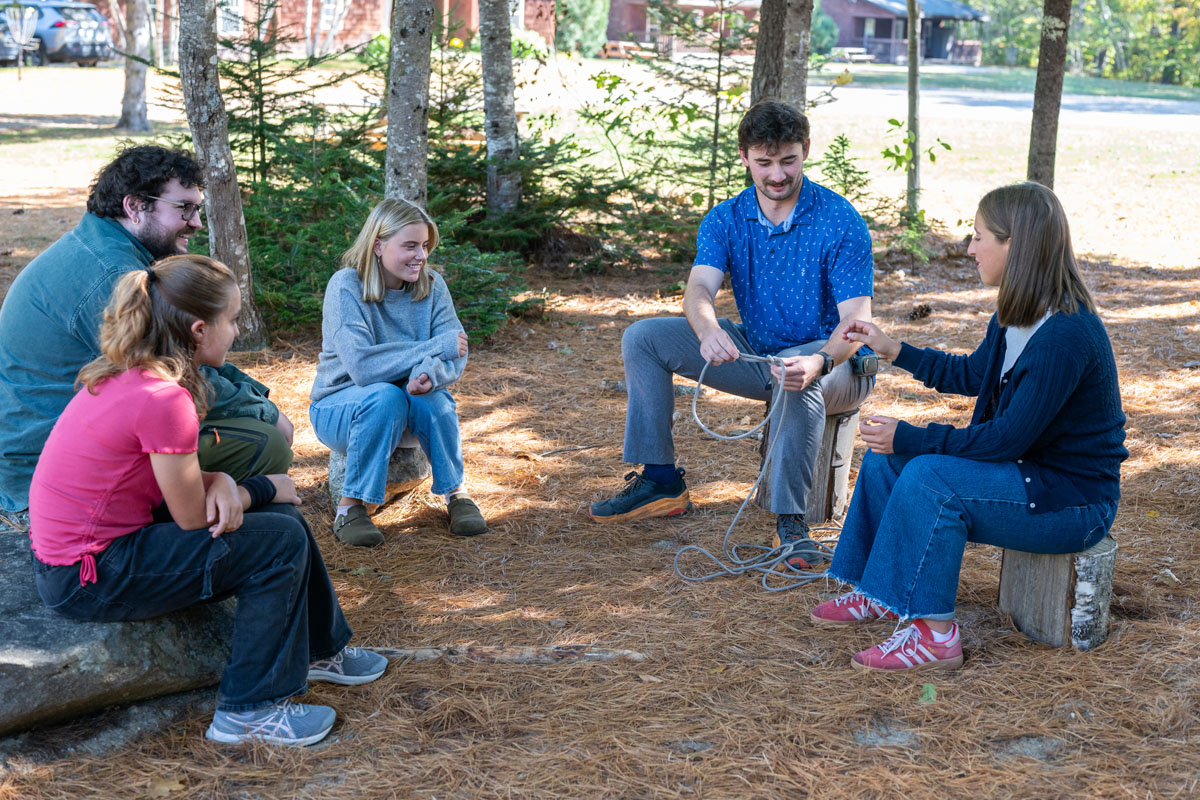
As students engage in therapy, academics, and outdoor challenges, families are guided through a parallel process of growth: weekly family therapy, structured parent coaching, reflective assignments, and in-person visits to foster deeper understanding and connection.
How Families Participate
Weekly Family Therapy
Your child’s master’s level therapist serves as your primary contact throughout treatment. Between campus visits, family therapy continues via telephone or video conference. Following a progress update from the therapist, your child joins the call to discuss treatment goals, relationship dynamics, and transition planning. These sessions strengthen communication and prepare everyone for a successful return home.
Parent Coaching
Each family receives six sessions of parent coaching with our Director of Parent Support. These sessions help you reflect on parenting patterns, develop new skills, and plan for visits and your child’s transition home. Coaching is designed to support your growth alongside your child’s.
In Traverse, parent coaching continues to help with visit and discharge planning and to discuss strategies as they come up in real time during family visits.
Parallel Process Curriculum
Upon admission, families receive a digital copy of the Summit Achievement Parallel Process Curriculum and the book The Parallel Process by Krissy Pozatek, MSW. Just as students move through six stages in Venture, parents and guardians move through their own six stages of growth.
This curriculum was developed by renowned parent coach Krissy Pozatek, and our clinical team has been trained to integrate these concepts throughout the program.
Campus Visits
Venture:
Parents are strongly encouraged to visit campus three times during the Venture program: on enrollment day, approximately midway through for an overnight visit, and on discharge day. During most visits, your child’s therapist facilitates a face-to-face family therapy session. These in-person connections are essential milestones in the work of healing and reconnection.
Traverse:
In Traverse, families have at least one, and often more, week-long home visits to practice skills in real-time and then be able to debrief with their therapist and parent coach for continued learning and growth as a family system.
Safety + Expedition Experience
Your child’s safety is Summit’s top priority on every expedition. We’ve offered backcountry programming for three decades, and our staff brings extensive experience to every activity.
All adventure guides are required to demonstrate a high level of training and experience in the activities they lead. At least one guide on each expedition is a certified Wilderness First Responder (or higher), specifically trained to respond to medical emergencies in remote settings. Guides carry a satellite phone while on expedition, allowing them to contact an administrator at any time.
Summit’s expeditions focus on the therapeutic process and the sense of accomplishment from a successful adventure experience; they are not survival ordeals. Adventure activities are season-appropriate, weather conditions are always considered, and students are provided with high-quality clothing, gear, and equipment to ensure comfort alongside reasonable challenge.
While outdoor activities involve some inherent risk, adventure programs generally have a lower rate of injury than many high school sports programs.